The Northeast is in that familiar post-storm danger zone: deep snowpack, dangerously low wind chills, and the sneaky stuff—black ice—that shows up when meltwater refreezes overnight. The National Weather Service has been flagging the ongoing cold and wind chills (with a continued risk of hypothermia/frostbite and ice hazards) in the wake of this latest system.
This guide is built for real-life scenarios people actually face during winter weather: your house losing power, getting stranded in your car, pipes freezing, and staying warm safely without turning your home into a carbon monoxide hazard. It’s also meant to be enjoyable—because nobody wants to read a lecture while wearing three hoodies and stress-eating snacks by flashlight.
First: The “Don’t Make It Worse” Rule (5 minutes that matter)
Before gear, before plans—do these basics:
- Assume surfaces are icy at night and early morning. Melt + refreeze is classic black ice behavior.
- Charge everything now: phone, power banks, rechargeable lanterns, tool batteries.
- Fill your gas tank. A fuller tank helps prevent gas-line freeze and gives you options if you must run the car briefly (only if safely outdoors).
- Set your home heat a little steadier (not wildly up/down). It helps protect pipes.
- Know where your shutoffs are: water main, gas, circuit breaker.
Scenario 1: Your House Loses Power (Heat Goes Off)
Power outages in winter are different than summer: the cold can wreck pipes, ruin food, and create unsafe heating choices. Ready.gov and the Red Cross both emphasize planning and safe generator use (outdoors only, away from windows).
What to do immediately
- Keep fridge/freezer closed. This buys you time.
- Unplug sensitive electronics to avoid surge damage when power returns.
- Pick one “warm room.” Close doors, hang blankets over doorways, block drafts.
- Run faucets to a slow drip if temps plunge (and you’re on municipal water). For well pumps, plan for no water during outage.
Safe heat (the CO reality check)
Carbon monoxide is a top winter storm danger. Never use:
- Charcoal grills indoors
- Gas ovens/stovetops as room heaters
- Generators in garages, basements, or near open windows
Ready.gov’s power outage guidance is blunt about this for a reason.
Power-Outage Gear That Pays for Itself (Amazon links)
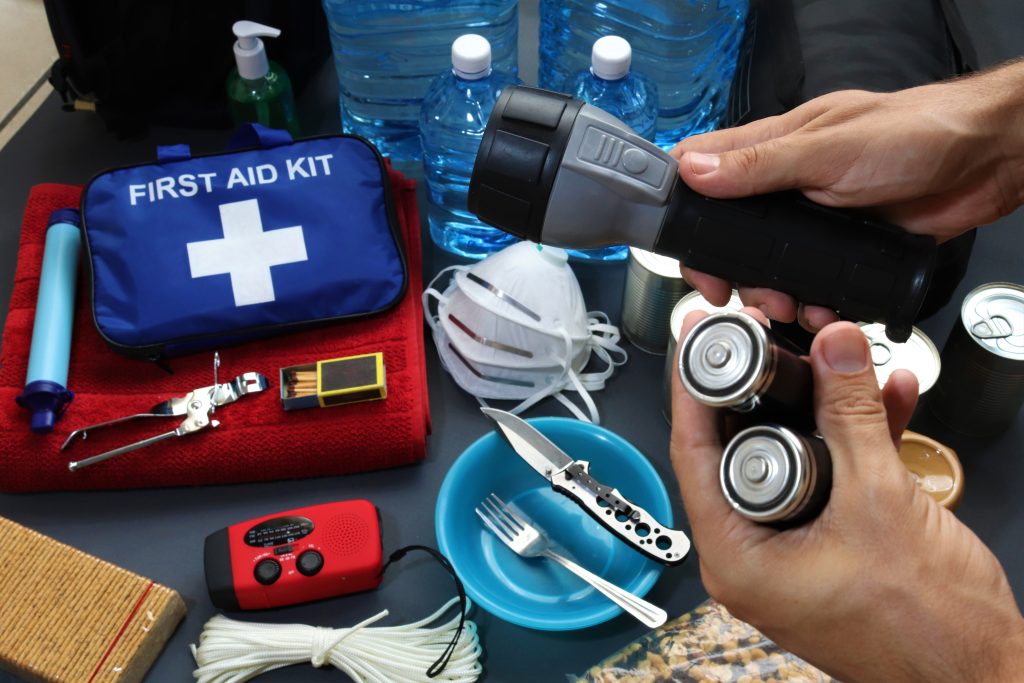
Light & communication
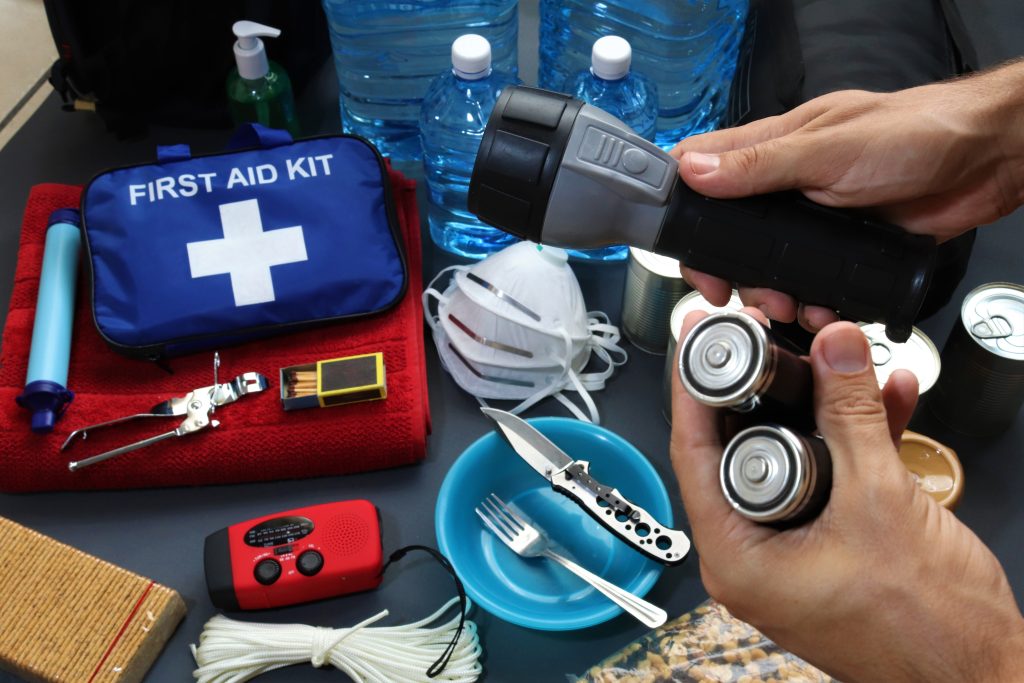
- LED lanterns (long runtime)
- Headlamps (hands-free)
- Battery-powered AM/FM radio
- NOAA weather radio (alerts)
- Extra AA/AAA batteries (bulk)
Backup power
- High-capacity power bank (20,000–30,000 mAh)
- Portable power station (for phones, Wi-Fi, small devices)
- Solar generator bundle (if outages are common)
- Generator transfer switch/interlock (electrician install)
Heat & safety
- Battery-powered heated blanket
- Mylar emergency blankets (cheap, effective)
- Sleeping bag rated for cold temps
- Carbon monoxide detectors (battery-powered)
- Fire extinguisher (ABC rated)
Water & food resilience
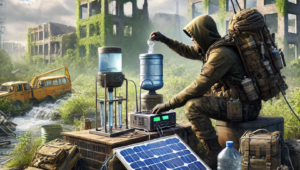
- Water storage containers (stackable)
- Water purification tablets
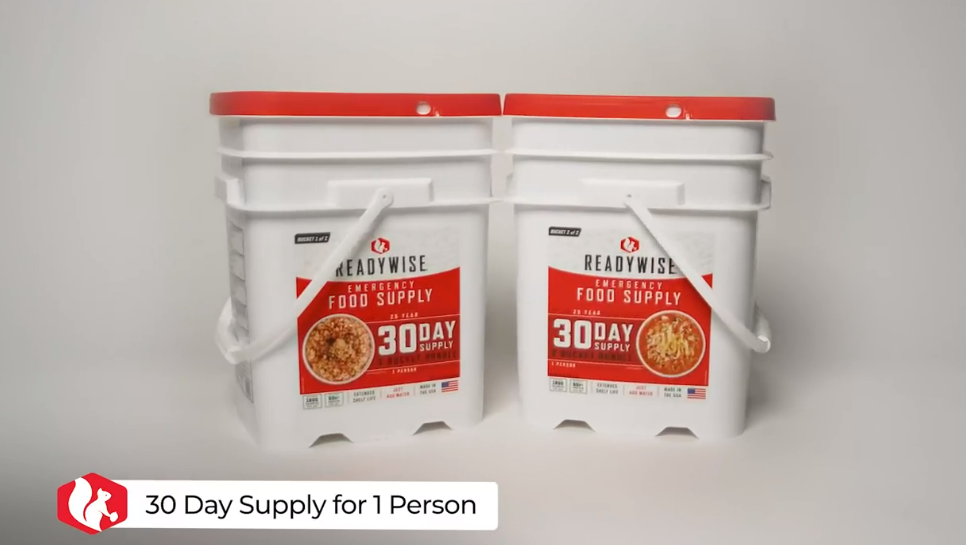
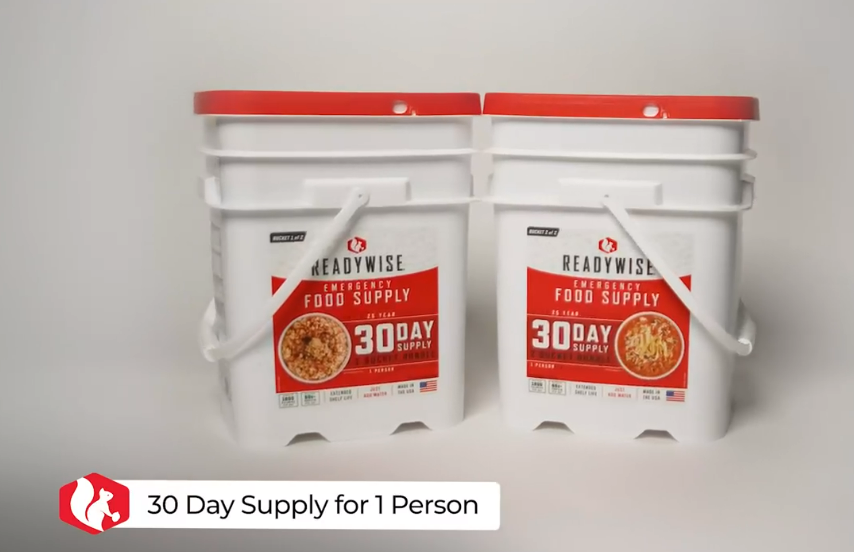
- Ready-to-eat emergency food kit
- Shelf-stable comfort calories (protein bars)
Home protection
- Pipe insulation sleeves
- Heat tape / heating cable for pipes (use correctly)
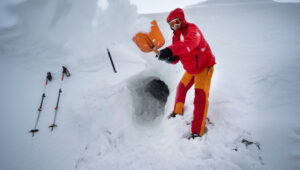
- Snow shovel (ergonomic)
- Roof rake (ice dam prevention)
Scenario 2: You’re Stuck in Your Vehicle (Snowbank, Spinout, Highway Standstill)
The National Weather Service literally publishes winter car survival kit checklists for this situation—because it happens every year.
The smartest move if you’re stranded
- Stay with the vehicle unless you can clearly see safe shelter very close by.
- Call/text location info (share a pin if possible).
- Make the car visible: hazards on, reflective triangle, bright cloth on antenna.
If you must run the engine for heat
- Clear snow away from the tailpipe area before running it.
- Run the car in short intervals, not continuously.
- Crack a window slightly for airflow.
(And if conditions are truly brutal, prioritize staying calm, staying dry, and staying visible.)
The Winter Car Kit You’ll Be Glad You Had
- Winter emergency kit (prebuilt)
- Compact snow shovel
- Kitty litter / traction grit
- Jumper cables
- Jump starter battery pack
- Reflective warning triangles
- Road flares (LED safer option)
- Warm gloves (water-resistant)
- Hand warmers
- Wool blanket or emergency sleeping bag
- Insulated water bottle
- Seatbelt cutter + window breaker tool
Extreme Cold Basics: Win the “Wet, Wind, and Time” Game
Cold survival is mostly about three enemies:
- Wet (snow melt, sweat, damp socks)
- Wind (steals heat fast—wind chills can be dangerous)
- Time (the longer you’re exposed, the more mistakes you make)
Clothing that actually works
- Base layer: moisture-wicking (not cotton)
- Mid layer: fleece/wool for insulation
- Outer layer: windproof/waterproof shell
- Feet: wool socks + insulated boots
- Hands/head: mittens + a warm hat (huge heat loss otherwise)
Amazon gear links
- Thermal base layers
- Wool socks
- Waterproof insulated boots
- Insulated gloves or mittens
- Balaclava / face covering
- Disposable toe warmers
Food, Water, and “Warmth Morale” (Yes, it matters)
In a storm, calories aren’t just comfort—they’re fuel. The NWS recommends having extra food and water that doesn’t require cooking.
No-cook storm staples
- Nuts, trail mix, bars
- Peanut butter
- Shelf-stable ready meals
- Electrolyte mixes (if you’re sweating while shoveling)
Shoveling and Snowblower Safety: The “Don’t Become the Headline” Section
After major storms, injuries spike—from falls, overexertion, and heart strain. Take it seriously:
- Warm up first.
- Push snow when possible (lift less).
- Take frequent breaks.
- Stay hydrated.
Amazon links
A Simple 30-Minute Storm Prep Checklist
If you do nothing else, do this:
- ✅ Charge phones + power banks
- ✅ Fill bathtub containers / jugs with water
- ✅ Set aside “warm room” blankets + sleeping bags
- ✅ Put flashlights/lanterns in one known spot
- ✅ Move the car kit into the car
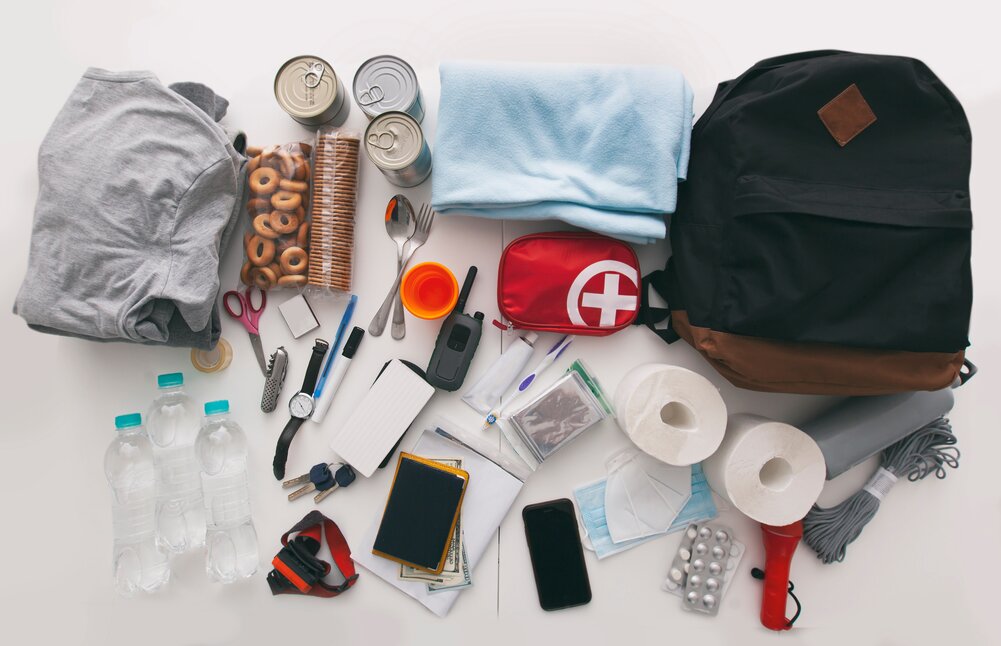
- ✅ Keep a small “go bag” by the door (meds, IDs, chargers)